By River Tribe editorial team · updated July 15, 2026
Sustainable tourism in the Pollino: what it means on the field
Sustainable tourism in the Pollino: controlled numbers, durable equipment, environmental education and concrete choices to respect the Lao River.
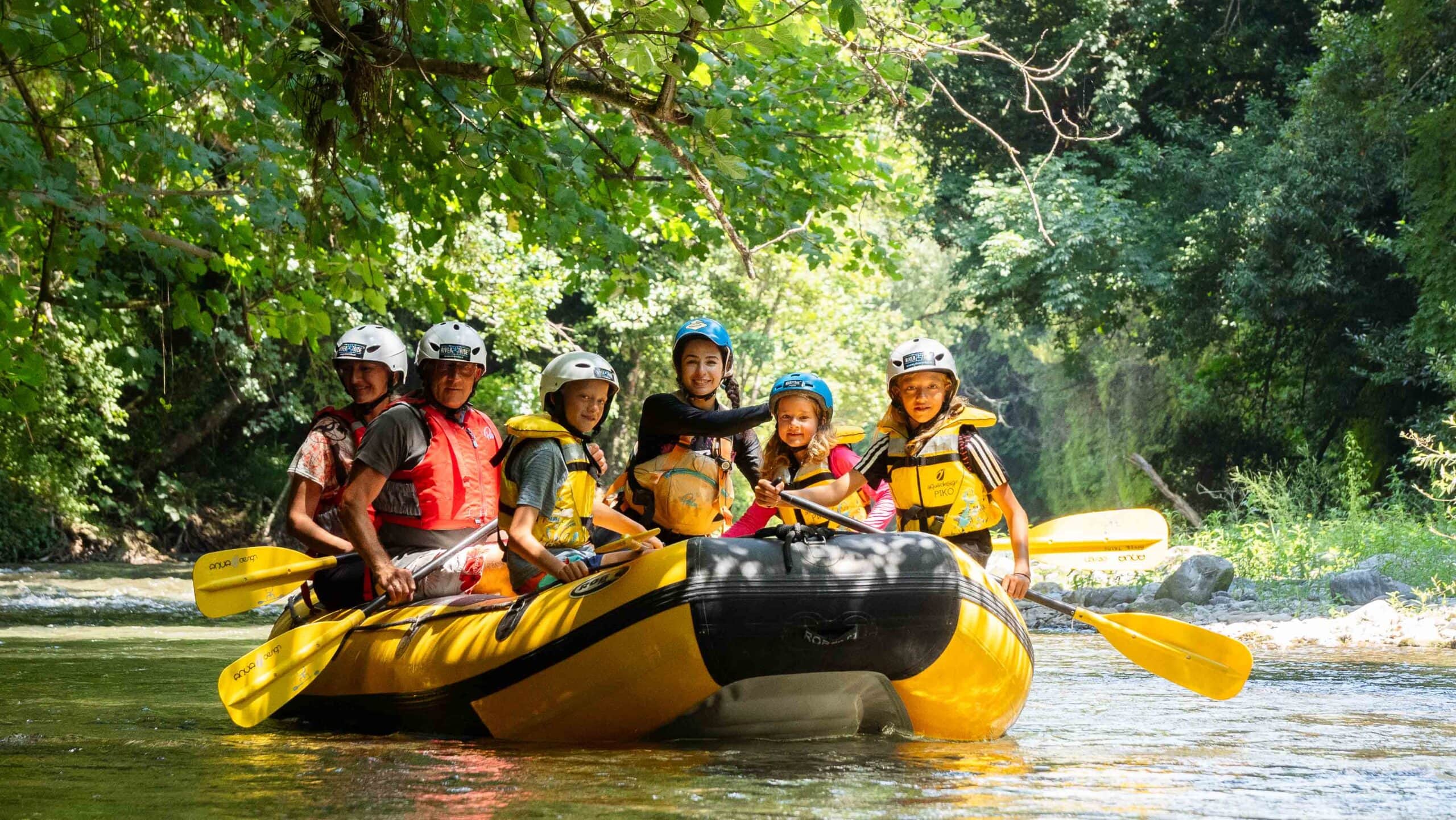
The word sustainability loses value when it remains a label. On the river it means making concrete decisions: not increasing numbers beyond the capacity of the guides and spaces, choosing routes compatible with the conditions, reducing waste and explaining to visitors why some places require attention.
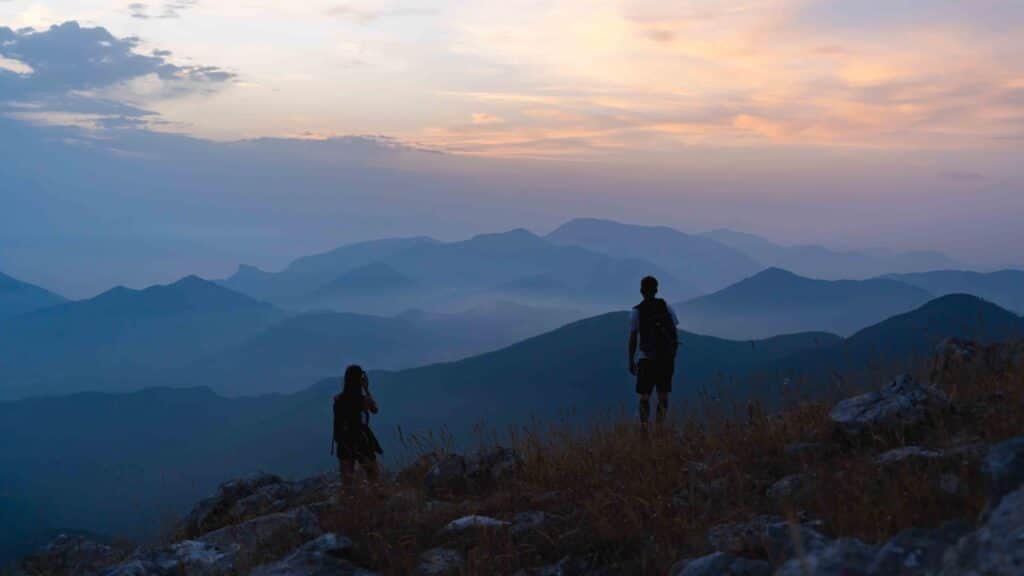
River Tribe works in the Pollino National Park and its UNESCO Geopark. The landscape is not a setting to be consumed: it is the reason why the activities exist. This is where the idea of using sport as a bridge to nature was born.
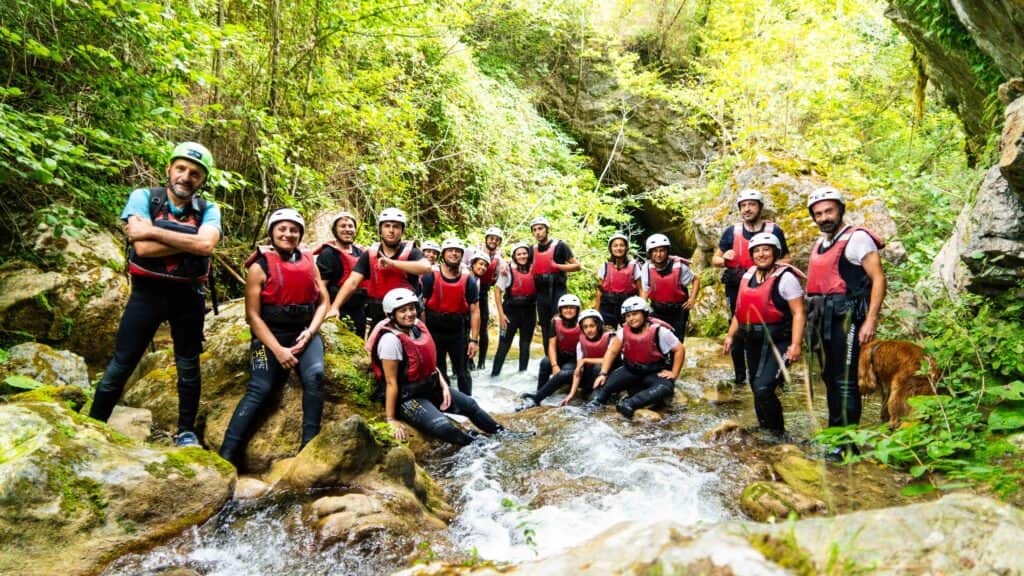
Useful practices include equipment maintenance, reduction of single-use plastic, separate waste collection, raising awareness among groups and collaboration with local entities. Distributing attendance across seasons and days of the week also reduces peak pressure.
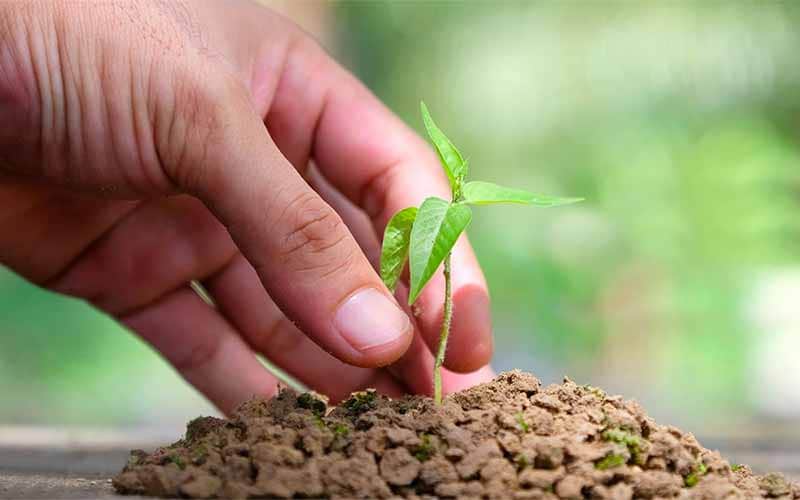
The visitor has a simple but decisive role: follow the directions, do not leave waste, do not collect natural elements, use water and energy judiciously and choose local services. Sustainability does not mean giving up experience; it means preventing our presence from worsening the place.
When you book, also ask how the activity is managed and why a route may change. Respecting the Lao begins with accepting that the river does not always have to adapt to our plans.