By River Tribe editorial team · updated July 29, 2026
Relevant expertise: Mario Miraglia · Trekking · mountain biking · e-bikeFirst e-bike output in Pollino: practical guide
How to choose a e-bike tour in the Pollino: required capacity, vehicle regulation, background, autonomy and differences from the MTB.
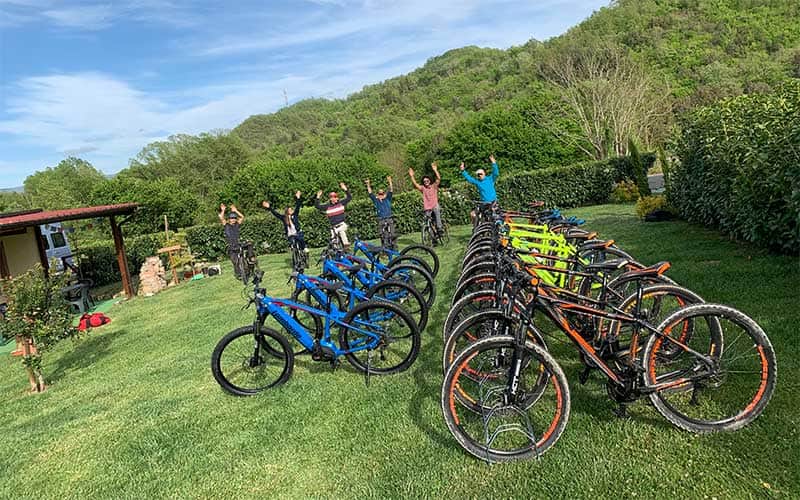
A first e-bike exit in the Pollino is suitable for those who can already conduct a bicycle and want to reduce the load of the climbs, not to those who look for a vehicle that proceeds alone. Engine and battery assist pedal; balance, trajectory, braking and attention to the fund remain the responsibility of the participant. River Tribe offers panoramic tours, itineraries linked to the springs and exits at sunset, adapting rhythm and path to the group and the conditions.
E-bike and mountain bike: the useful difference
Muscle mountain bike requires more uphill energy and enhances the sports component. The e-bike helps groups with different training levels to maintain a more homogeneous pace. The greater weight of the medium, however, is felt in slow and downgoing manoeuvres.
A person who rides well on asphalt but has no experience on dirt should communicate it. The guide can choose a simpler route or work on the commands before entering the disconnected sectors.
Which River Tribe tour choose
- Panorama Pollino: to read the landscape and alternate pedaling and stops.
- Tour of the Great Springs: to focus on green environments and presence of water.
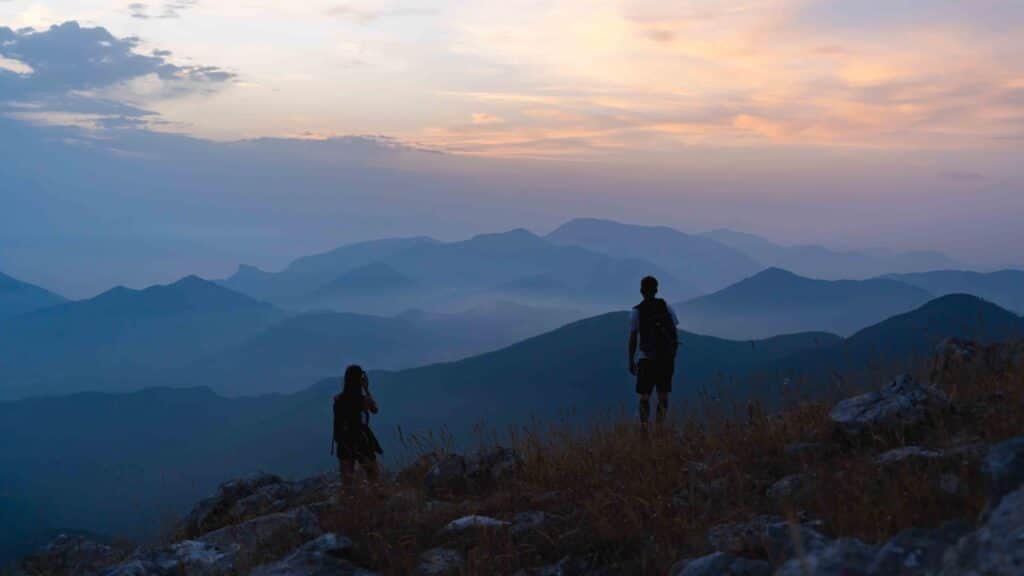
- Sunset Tour: to ride in the final hours of the day, when calendar and conditions allow it.
These descriptions explain the character of the experience, not an immutable trace. Weather, background, access and group capacity may require a variant.
Information to communicate first
Height and bodywork help staff prepare a consistent bike. It also describes how many times you pedal, if you have already used an e-bike and how you feel about gravel, narrow curves and descents.
Saying “bike wash” does not clarify the technical level. An urban cyclist, a person who uses a city bike and who practices MTB have very different experiences.
Regulation and briefing
Before departure you control seat, controls, levels of assistance and braking. The participant must know how to reduce assistance before a maneuver, dose the brakes and maintain distance from the front middle.
The battery must be managed continuously. Always using the maximum level can reduce the available margin; the guide shows how to distribute assistance compared to climb, duration and group.
Fund and conditions
A rain can change grip and braking; hot, wind or forest jobs can change time and track. The e-bike does not cancel these factors. The guide keeps the final decision on the route and can reduce distance or difficulty.
Helmet and closed shoes are essential. Clothing, water and weather protection must be adapted to the individual exit according to the indications received.
Is it suitable for a family?
It can be when everyone has age, size of the bike and ability to lead the medium. The assisted pedal assists on training differences but does not compensate for the absence of technical control.
For a boy they count availability of an adequate bike, experience and ability to follow the guide. These elements must be verified before confirmation.
How to put it in a weekend
An e-bike tour can be combined with rafting or a visit to the villages by distributing activities on different days. After a challenging descent or a summit trekking it is prudent to consider recovery, instead of concentrating everything in the same afternoon.
To choose, tell the staff who participates and what relationship it has with the bike. The best tour is not the longest: is what keeps the group together and leaves attention to the landscape.
Sources and further reading
Editorial transparency
This article distinguishes River Tribe catalogue information from territorial information checked against the cited institutional sources. Operational conditions are always confirmed by the assigned guide.